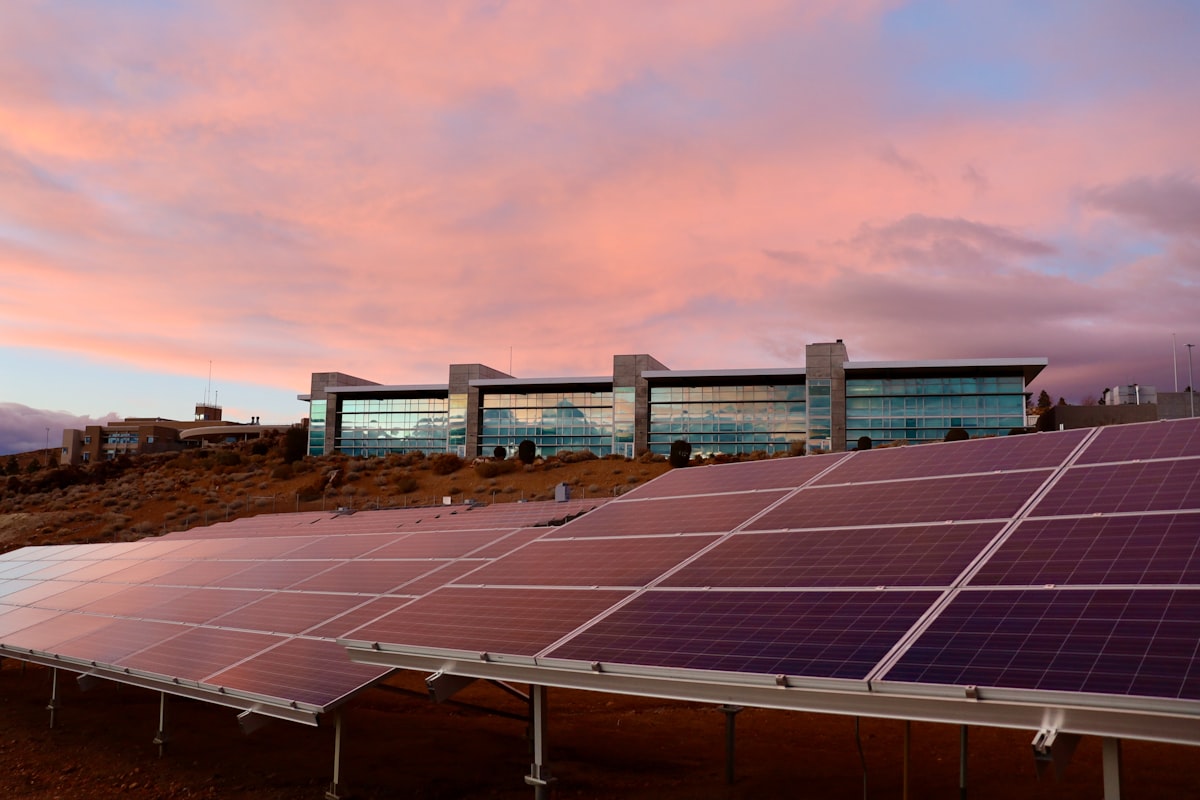
Gulf Renewable Energy Jobs 2026: NEOM and Masdar Trades Demand
NEOM and Masdar are hiring solar and battery storage trades workers faster than most Gulf hiring coverage has tracked. Here is where the demand sits.
Saudi Arabia's NEOM and the UAE's Masdar City are two of the largest renewable energy build-outs in the world right now, and both are hiring trades workers at a pace that has drawn far less attention than the hospitality and construction roles usually covered in Gulf hiring coverage aimed at Indian jobseekers.
Solar installation, battery storage technician work, and grid infrastructure trades are growing inside these projects at a rate that is outpacing the visible hiring conversation - most of it because renewable energy hiring gets folded into general "construction" and "infrastructure" reporting rather than tracked and searched as its own distinct category by candidates or agencies.
The Scale Most Coverage Misses
NEOM's renewable energy component alone is designed to run entirely on solar and wind power, requiring a trades workforce for installation, maintenance, and grid integration that is separate from the mega-project's general construction labour force covered in most hiring guides. Masdar City in Abu Dhabi has expanded its solar capacity contracts through 2026, each requiring certified electricians and technicians for installation and ongoing maintenance work across an expanding portfolio of sites.
Neither project is entirely new, and neither is a secret. What has changed recently is the pace of hiring for the specific trades this build-out requires - certified electricians, HVAC technicians with renewable-systems experience, and battery storage technicians are the categories seeing the sharpest demand increase relative to the general construction trades that dominate most Gulf hiring content Indian candidates encounter.
Qatar and Kuwait are following a similar pattern at a smaller scale, with solar capacity additions tied to national diversification plans that mirror the more widely publicised NEOM and Masdar projects, meaning the opportunity is not limited to the two headline projects alone. Candidates and agencies focused exclusively on Saudi Arabia and the UAE for renewable-trades opportunities are overlooking a second tier of demand building in parallel across the smaller GCC markets.
Which Trades Are in Demand
| Trade | Certification typically required | Demand |
|---|---|---|
| Solar installation electrician | ITI electrical + solar PV certification | High |
| Battery storage technician | Electrical trade certificate + on-site training | High |
| HVAC technician (renewable systems) | ITI HVAC + manufacturer training | Moderate |
| Grid infrastructure technician | Diploma in electrical engineering | Moderate |
Source: NEOM and Masdar public project disclosures, compiled 2026. Verify specific quota and certification requirements with employer.
Why This Sector Is Under-Reported
Indian trades workers researching Gulf opportunities overwhelmingly search for "construction jobs" or "electrician jobs" as general categories, and most agency and platform listings follow the same broad classification rather than breaking out a distinct renewable-energy filter. Renewable-specific roles get listed inside general electrical or construction postings rather than as a distinct, searchable category - which means the demand exists in the data long before it shows up in what candidates are actively searching for or what agencies actively promote.
This is a structural gap, not a hidden secret: the jobs are posted, the quotas are real, but the search behaviour and reporting categories have not caught up to the sector split inside "construction" that renewable energy now represents. Agencies sourcing candidates for general construction roles are often unaware their own listings include renewable-specific positions, because the employer's own job posting does not distinguish the two clearly either.
What Qualifies You for These Roles
An ITI certificate in electrical trades is the baseline qualification most renewable-energy postings require, with a solar PV or battery systems add-on certification giving a meaningful edge for the highest-demand categories listed above. Employers on these projects typically run their own on-site training for the renewable-specific components, meaning the entry bar is a standard trade certification plus willingness to complete employer training - not a specialised renewable-energy degree most Indian ITI graduates do not hold and are not expected to hold.
Pay for these roles tends to track slightly above general construction trades at the same certification level, reflecting the more specialised on-site training investment employers make once a candidate is hired, though the exact premium varies by project and employer and should be confirmed directly rather than assumed from general sector reporting.
Why the Timing Matters Now
Both NEOM and Masdar are in active build-out phases through 2026 and beyond, meaning the current hiring wave reflects genuine project-stage demand rather than a speculative future pipeline. Candidates with the right base certification entering this specific window benefit from employer-provided training investment that would otherwise need to be self-funded outside a live project - a meaningful advantage for ITI graduates who have the trade qualification but not yet the renewable-specific add-on certification.
How This Differs From General Construction Hiring
General Gulf construction hiring runs on a project-completion cycle - demand rises sharply during a build phase and tapers once the structure is complete, which is the pattern most Indian trades workers already understand from prior Gulf construction cycles. Renewable energy infrastructure hiring follows a different curve: installation demand is followed by an ongoing maintenance and operations phase that sustains a smaller but steadier workforce requirement for years after the initial build-out, rather than tapering to near zero once construction ends.
This distinction matters for a candidate weighing a renewable-trades role against a general construction placement of similar pay and certification level. The renewable role carries a meaningfully longer employment horizon with the same employer, because the maintenance phase that follows installation is not a separate hiring event most candidates think to ask about - it is typically built into the same employment relationship established during the installation phase itself, reducing the job-search cycle a worker would otherwise repeat every time a construction contract ends.
Candidates building the base electrical qualification for this sector should also see UAE Electrician Jobs 2026: DEWA, Trade Test, and Salary Data for the standard trade-test and certification path most renewable-energy postings also require.
Getting the Add-On Certification
Solar PV and battery-systems add-on certifications are increasingly available through Indian ITI-affiliated training centres, and several Gulf employers now list the add-on as preferred rather than mandatory precisely because they intend to complete the training on-site once a candidate is hired. Candidates who complete the add-on before applying gain a clear edge in the initial screening stage, while those who do not are not automatically excluded from projects that build the training into the onboarding process.
Agencies sourcing for general electrical and construction trades roles in Saudi Arabia and the UAE should specifically ask employers whether a given quota includes renewable-energy components, since the same job posting language often covers both categories without distinguishing them clearly - a question that costs nothing to ask and can surface roles that would otherwise be missed entirely under a generic construction search alone.
Browse verified Gulf trades roles on skilledupIndia - including renewable energy postings inside the general construction and electrical categories.