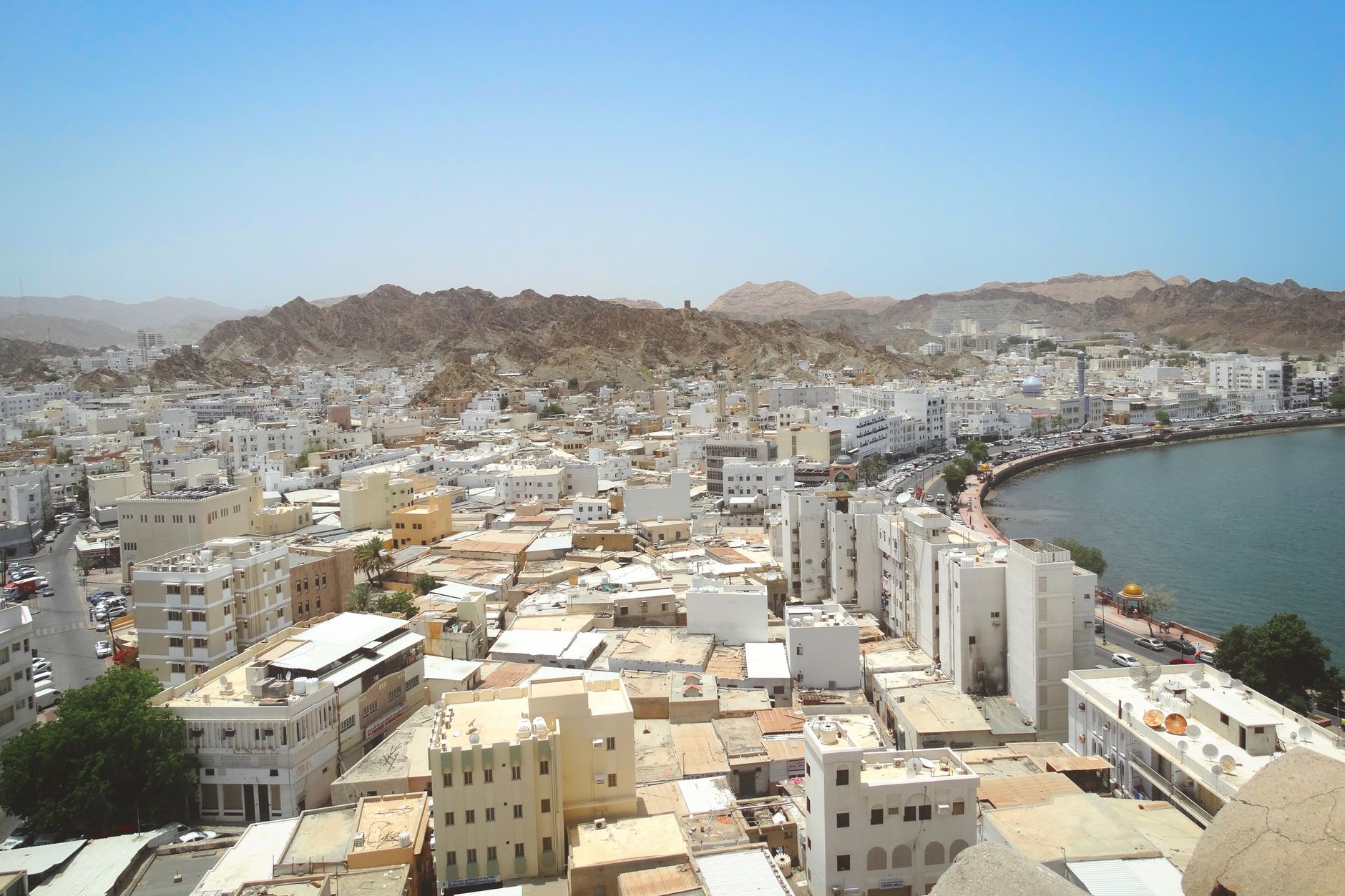
Oman Jobs 2026: The Gulf Market Indian Agencies Are Not Watching
Oman's permit queue is shorter than UAE because fewer agencies are submitting to it. Active tourism and construction pipelines in 2026. The placement advantage is the volume asymmetry.
Every Indian recruitment agency has a UAE pipeline. Most have a Saudi pipeline. A fraction have built Oman pipelines - and that fraction is currently placing trades and hospitality workers faster than their UAE counterparts, simply because the permit queue they are submitting to is shorter.
Oman's work permit processing for clean applications runs faster than UAE's equivalent category in Q2 - Q3 2026. The reason is not a regulatory advantage - it is volume asymmetry. Fewer agencies submitting means shorter queues for the agencies that are.
What Oman Is Building in 2026
Oman Vision 2040 targets economic diversification away from oil through tourism, manufacturing, and logistics. The active construction and development pipeline in 2026 is feeding direct trades and hospitality demand:
- Yiti Integrated Tourism Complex - a 1,000-hectare mixed-use development south of Muscat, currently in active construction with ongoing MEP, civil, and hospitality fit-out roles
- Musandam development - marine infrastructure, hospitality, and resort construction in northern Oman
- Oman Convention and Exhibition Centre expansion - ongoing maintenance and operations staffing
- Muscat real estate - residential and commercial construction in active delivery across multiple developer projects
- OMRAN-managed tourism properties - hotel and resort operational staffing across Oman Tourism Development Company's portfolio
The Ministry of Labour in Oman processes work permits for these projects through the standard employment visa route. Indian workers are among the primary nationalities for construction trades and hospitality roles, with strong employer familiarity with Indian documentation standards.
The Queue Advantage: Why Processing Runs Faster
UAE's work permit processing runs efficiently for quota-approved employers - typically 14 to 18 days. The volume of Indian agency submissions to MOHRE in 2026 is, however, at a level where document errors and category mismatches create real backlogs in the review queue.
Oman's Ministry of Labour processes significantly lower aggregate volumes from Indian agencies. For clean documentation - valid ITI or NCVT certificate, matching occupation code, eMigrate clearance for ECR holders - Oman work permit timelines are running at 14 to 21 days without the volume-driven queue delays that affect UAE in peak periods.
The practical implication for agencies:
- A UAE placement for the same trade category competing with many other agency submissions: 18 to 25 days in a clean run, longer with any documentation issue
- An Oman placement for the same trade category with fewer competing submissions: comparable timeline, more predictable completion
This is not a statement that Oman is easier than UAE. It is a statement that the sourcing advantage in Oman is structural - volume asymmetry - and it will exist as long as agencies continue to concentrate their UAE pipelines without building Oman capacity.
The Oman work visa process for Indian workers covers the documentation and permit steps for candidates preparing applications - the agency-side preparation mirrors the UAE process closely.
Sectors Actively Hiring in Oman - Q3 2026
| Sector | Primary roles | Agency access |
|---|---|---|
| Construction and MEP | Electrician, plumber, HVAC, civil formwork | Open |
| Tourism and hospitality | F&B staff, housekeeping, front office, culinary | Open |
| Facilities management | Soft services, maintenance technicians, HSE | Open |
| Logistics and warehousing | Forklift operators, warehouse workers, drivers | Selective |
Source: Oman Ministry of Labour employer listing data, Q2 2026. "Selective" reflects employer preference for candidates with prior Gulf logistics experience. Verify specific employer requirements before candidate commitment.
ICV and What It Means for Indian Worker Placement
Oman's In-Country Value (ICV) policy - part of Vision 2040's economic diversification framework - requires larger contractors and project developers to demonstrate a percentage of their workforce and spending benefits Omani nationals and the domestic economy.
For Indian workers, ICV has a practical implication: construction and hospitality employers under ICV obligations prefer candidates with documented qualifications (ITI, NCVT, hospitality certification) over undocumented workers, because certified Indian workers can be placed in semi-skilled and skilled roles that count differently under ICV compliance calculations than general labourers.
Agencies that brief their candidates on Oman's ICV preference - and pre-qualify them accordingly - find employer acceptance rates higher than in equivalent UAE categories where ICV does not apply.
What Agencies Should Do in the Next 4 Weeks
The window for Q3 2026 Oman placements is open. The tourism development construction phase at Yiti and Musandam is in active delivery, and hospitality staffing requirements for new OMRAN-managed properties come online through Q3 and Q4.
Agencies that have not built Oman employer relationships are doing so now at lower competition than in any other GCC market.
Everyone is chasing UAE. Oman has the verified positions and a shorter queue. That combination does not stay available indefinitely.