Pastry and Bakery Careers in Gulf Hotels - The Culinary
Gulf luxury hotels run pastry operations that produce hundreds of items daily. The roles, salary bands, and what qualifications Gulf pastry departments require.
Pastry and Bakery Careers in Gulf Hotels - The Culinary Specialisation With Its Own Salary Track
The pastry department in a Gulf luxury hotel is not an afterthought. At a 5-star property running a breakfast buffet for 600 covers, a patisserie outlet, in-room amenities, banquet desserts, and wedding cakes, the pastry brigade works independently of the main kitchen on an overlapping but distinct production schedule.
This independent structure means pastry chefs are hired on their own track, evaluated against pastry-specific standards, and progress through a parallel hierarchy to the main kitchen brigade. For Indian culinary professionals specialising in pastry, baking, and confectionery, this is a distinct career path - not a sub-category of the general culinary track.
The Pastry Brigade: Roles and Salary
| Level | Title | UAE Monthly (AED) | Saudi Monthly (SAR) | Experience |
|---|---|---|---|---|
| 1 | Commis Pastry Chef | 1,500-2,200 | 1,800-2,600 | Pastry cert + 0-1 year |
| 2 | Pastry Chef de Partie | 2,800-4,200 | 3,200-4,800 | 3-4 years |
| 3 | Senior Pastry Chef de Partie | 3,500-5,500 | 4,000-6,500 | 5-6 years |
| 4 | Sous Pastry Chef | 5,000-8,000 | 5,800-9,200 | 6-8 years |
| 5 | Pastry Chef | 8,000-14,000 | 9,000-16,000 | 8-12 years |
| 6 | Executive Pastry Chef | 12,000-22,000 | 14,000-25,000 | 12+ years |
Standard benefits: accommodation, transport, health insurance, annual return flight, 30 days leave.
The executive pastry chef at a flagship Gulf luxury property earns AED 12,000-22,000/month - above the executive chef at many mid-range properties. This reflects the specialised nature of the role and the prestige a recognised pastry programme brings to a luxury hotel's identity.
What Gulf Hotel Pastry Operations Produce
Understanding the production scope is essential for framing your experience correctly in an application.
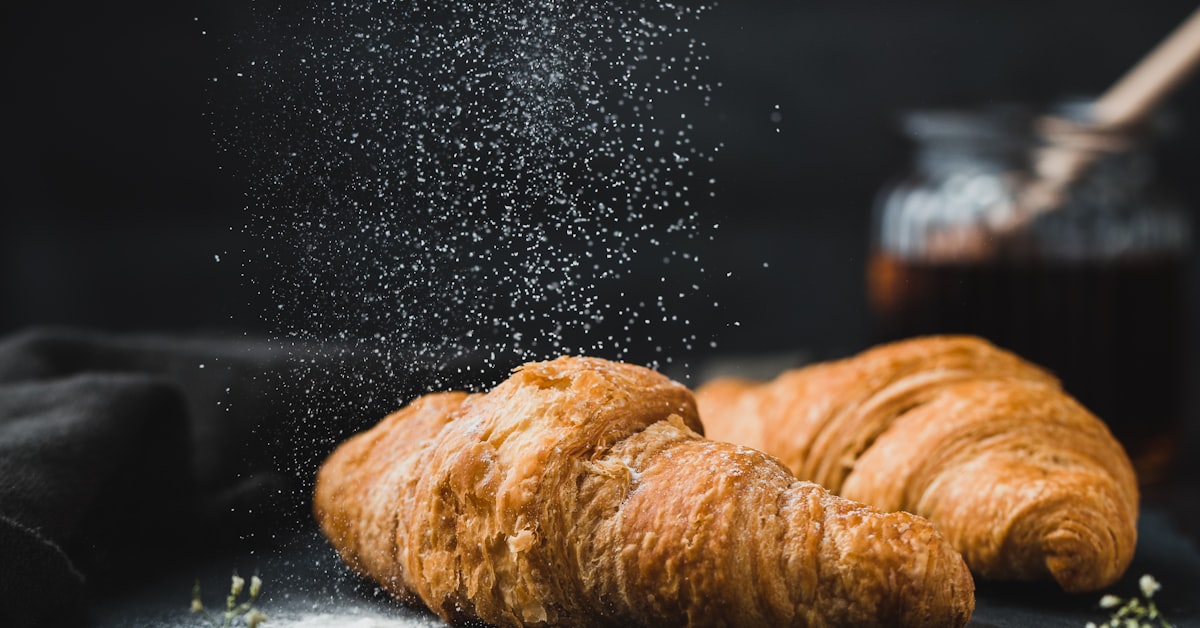
Breakfast pastries and viennoiserie: Croissants, pain au chocolat, Danish, brioches, muffins, scones - produced fresh daily for buffet service. Volume at a large hotel: 500-800 individual items per morning service.
Patisserie and cake: Entremet cakes, tarts, individual French-style pastries for the patisserie display, afternoon tea sets. This is the segment where decorating skill, chocolate work, and fine pastry technique matter most.
Wedding and celebration cakes: Gulf hotels with banquet programmes handle significant wedding cake volumes. A single event might require a 6-tier cake and 200 individual dessert portions. This is skilled, time-sensitive, high-stakes production.
Bread and artisanal baking: Many Gulf luxury hotels run artisan bread programmes for restaurants and buffets - sourdough, specialty loaves, flatbreads. Baking expertise is valued separately from pastry technique.
Chocolate and sugar confectionery: For luxury properties, hand-crafted chocolates, pralines, and sugar showpieces are produced for amenities, minibar, and display. This is the highest-skill segment of pastry work and commands the highest salary premium.
Ice cream and frozen desserts: Gelato, sorbet, parfait - produced in-house at 5-star properties with dedicated ice cream machines.
Culinary Qualifications That Gulf Hotels Accept for Pastry Roles
The pastry certification hierarchy is similar to the general culinary track but with pastry-specific bodies and qualifications:
Tier 1 - Full Programmes
-
NCHMCT Craft Certificate in Food Production and Patisserie (1-year) - the most accessible government-issued pastry qualification in India
-
IHM Diploma with patisserie specialisation - from government-affiliated IHMs
-
City and Guilds Level 2 in Patisserie and Confectionery - UK body, internationally verified
Tier 2 - Specialist International Certifications
-
Le Cordon Bleu Pâtisserie Certificate (Paris, London, or affiliated campuses) - the most prestigious pastry qualification globally. Expensive (₹4-12 lakh depending on location and duration) but transformative for career positioning.
-
Ecole Valrhona certification (chocolate specialisation) - recognised specifically for chocolate work roles at luxury properties
-
Cacao Barry Professional Training certificates - alternative chocolate certification recognised at luxury tier
Tier 3 - Bread and Baking
-
BPPE (Bread and Pastry Production) certification from THSC (NSQF Level 3) - accessible, verified via SkillIndia Digital, good entry-level credential
-
RIBA (Research Institute of Baking) Level 2 Certificate - UK-based, recognised at luxury and artisan bread-focused properties
The Specific Skills Gulf Hotels Hire For in Pastry
Unlike general kitchen roles where broad experience matters, pastry hiring in Gulf hotels is highly skill-specific. The skills that appear most frequently in Gulf hotel pastry job specifications:
Chocolate tempering and showpiece work: For luxury properties, the ability to produce hand-tempered chocolate and professional chocolate showpieces is a differentiator. Properties that display chocolate art in their patisserie or lobby commission bespoke pieces for VIP events.
French pastry technique: Entremet (multi-component mousse cakes), tarts, macarons, éclairs, and croissant lamination are the technical foundation of 5-star pastry programmes. Candidates who can demonstrate these techniques in an interview trade test are shortlisted at a materially higher rate.
Sugar work and isomalt: Pulled sugar, blown sugar, and isomalt showpieces for wedding cakes and buffet displays. Not universally required, but a rare skill that commands attention in senior pastry applications.
Artisan bread: Sourdough production with natural levain, understanding of fermentation timelines, scoring, and crust development. Increasingly requested at luxury properties with dedicated bread programmes.
Plated dessert composition: For restaurant pastry roles, the ability to compose individual plated desserts with multiple components, textures, and temperatures - not just bake - is expected at chef de partie level and above.
The Working Life of a Gulf Hotel Pastry Chef
Pastry brigades work different hours from the main kitchen brigade. Understanding this before applying avoids post-arrival shock:
Production shift: Typically 6am-2pm or 5am-1pm. Pastry production happens before service - everything must be ready when the breakfast buffet opens at 6:30am and when restaurant service begins at 7pm.
Event shifts: Wedding cakes and major banquet desserts are produced to a delivery deadline tied to the event, not a fixed shift. Overtime before a major event is expected.
Weekend and public holiday work: Like all hotel operations, pastry chefs work through weekends and public holidays. Rotation ensures time off, but unlike office employment, weekends are often the busiest days.
Physical environment: The pastry kitchen is climate-controlled more carefully than the hot kitchen (chocolate and cream work require 18-20°C). This is physically gentler than working a grill station in a 38°C hot kitchen, but requires sustained precision over long shifts.
What the Trade Test Involves
Gulf luxury hotels and specialty pastry properties conduct trade tests for all pastry roles at chef de partie level and above. The typical trade test:
-
You are given a list of ingredients and tools
-
You have 90-120 minutes to produce a specified pastry item (often a croissant, a chocolate entremet component, or a plated dessert)
-
The assessors evaluate: technique, speed, portion consistency, taste, and presentation
Preparing for a trade test means having these items in your active production memory - not just theoretical knowledge. Candidates who have not produced croissants in the last 3 months should practice before attending a pastry trade test.
Pastry is the discipline where patient, precise candidates build the highest culinary salaries in Gulf hotels.
Browse verified Gulf hotel roles on skilledupIndia - ADLSA and MOHRE-registered properties only.