Qatar Construction Sector in 2026: What Is Still Being Built
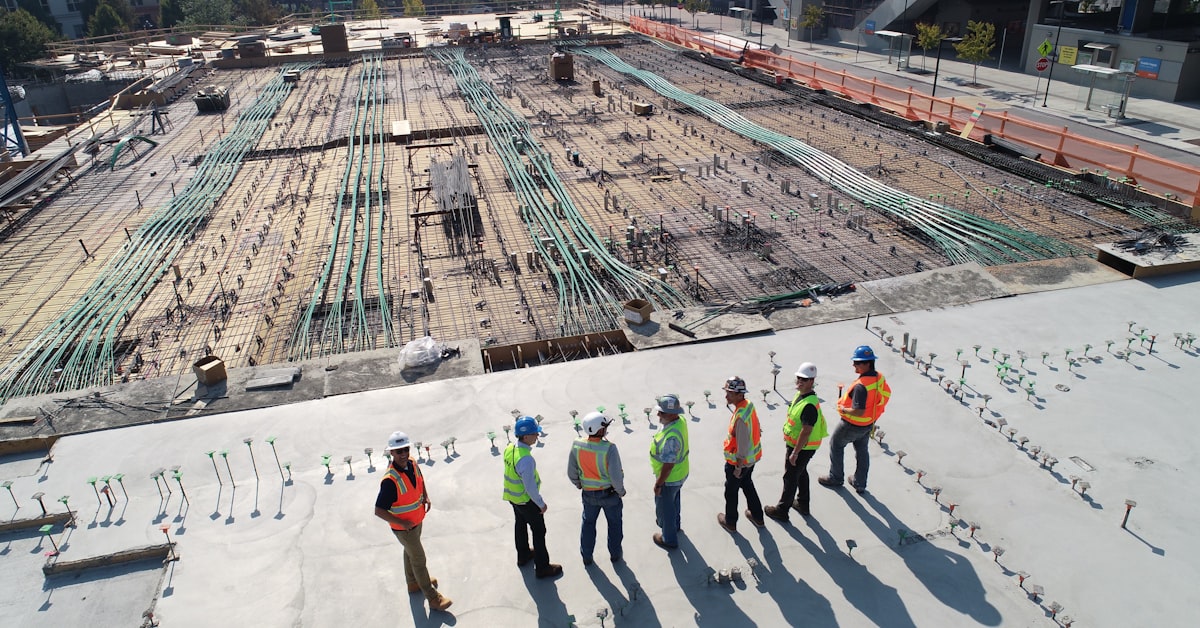
Qatar's construction sector did not stop with the World Cup. Infrastructure maintenance, Lusail City commercial build-out, and Hamad Port expansion are...
The 2022 FIFA World Cup created a single, visible story about Qatar construction. The story ended at the closing ceremony for most observers. For Indian trades workers, the more useful story starts there.
Qatar's post-2022 construction market has shifted character - from mega-infrastructure to commercial build-out, infrastructure maintenance, and industrial expansion. The worker volumes are smaller than the 2018-2022 peak. The opportunity is more specific, the working conditions have improved, and the competition from Indian applicants is lower than at peak.
Here is what is currently being built, what roles are open, and how to position yourself for the market as it exists in 2026.
What Qatar Is Still Building
Lusail City - Commercial and Residential Fit-Out
Lusail City is Qatar's new urban district north of Doha, built around the stadium that hosted the World Cup final. The infrastructure - roads, utilities, the light rail network - is complete. The buildings are now in fit-out phase, which requires MEP (mechanical, electrical, plumbing) trades, finishing trades, and HVAC installation rather than structural trades.
This phase typically runs 18-24 months per building. With over 200 buildings in various stages of fit-out across Lusail, this represents sustained MEP demand through 2027.
Hamad Port Expansion - Phase 2
Hamad International Port, one of the region's largest port facilities, is expanding its container terminal capacity and cold-chain logistics infrastructure. Phase 2 involves civil and structural work, marine infrastructure, and the installation of port equipment.
Current demand: Civil trades, structural steel fabricators, marine civil workers, mechanical fitters.
North Field Expansion (NFE) - Onshore Infrastructure
Qatar's North Field LNG expansion is one of the largest energy projects in the world. The offshore liquefaction trains get media attention. Less covered is the onshore pipeline, storage, and process facility infrastructure that feeds them - which requires a sustained construction and maintenance workforce.
Current demand: Piping trades, instrumentation technicians, electrical trades, HSE officers. These roles require experience in oil and gas or petrochemical settings.
Qatar National Museum and Cultural District - Phase 2
Doha's cultural district expansion includes new museum facilities, parks, and a waterfront redevelopment. This phase requires skilled finishing trades, landscaping, MEP for cultural buildings, and AV installation.
Roles Open to Indian Workers in 2026
| Role | Monthly Salary (QAR) | Experience Required | Key Certification |
|---|---|---|---|
| MEP Electrician (LV) | 1,400-2,200 | 3+ years | MMUP preferred |
| Plumber (industrial/commercial) | 1,300-1,900 | 2+ years | - |
| HVAC Technician | 1,500-2,300 | 3+ years | F-gas cert beneficial |
| Structural Welder | 1,400-2,100 | 3+ years | CSWIP/AWS required for oil & gas |
| Formwork Carpenter | 1,200-1,800 | 2+ years | - |
| Rebar Fixer | 1,100-1,700 | 2+ years | - |
| Scaffolder (CISRS Level 1) | 1,400-2,000 | 2+ years | CISRS Level 1 minimum |
| HSE Officer | 2,500-3,800 | 3+ years | NEBOSH IGC mandatory |
| QC Inspector | 2,200-3,500 | 4+ years | ASNT/CSWIP required |
1 QAR = ₹23 (April 2026)
Standard benefits across all construction roles: accommodation (or allowance), transport, health insurance, annual return flight, 30 days leave after one year.
Qatar's Labour Reforms: Why It Is Safer to Work There Now
Qatar's labour reforms since 2020 have changed the structural risk for workers significantly. Three reforms matter most for construction workers:
Exit permit abolished (2020): You can leave Qatar without your employer's permission by giving the notice period in your contract. Workers no longer need an employer's No Objection Certificate (NOC) to leave the country.
Wage Protection System (WPS): All salaries must be paid electronically. Late or non-payment triggers an automatic ADLSA (Ministry of Labour) investigation within 7 days of a missed payment date. The WPS has significantly reduced salary withholding - the most common labour complaint pre-2020.
Minimum wage (QAR 1,000/month): Qatar introduced a non-discriminatory minimum wage applicable to all workers regardless of nationality or sector. Construction trades roles pay significantly above this, but the floor creates a legal backstop.
The MMUP Certification for Engineers and Technicians
Qatar's Ministry of Municipality and Urban Planning (MMUP) requires that engineers and senior technical staff working on construction projects in Qatar hold a local professional licence.
For Indian engineers (Civil, Mechanical, Electrical - holding a B.E or B.Tech), the MMUP exam is a route to accessing senior technical and engineering roles with significantly higher salary bands (QAR 5,000-12,000/month for experienced engineers).
The MMUP exam covers Qatar National Building Code and local construction standards. It requires:
-
Relevant engineering degree from a recognised institution
-
3+ years post-graduation professional experience
-
Application through the MMUP engineer registration portal
-
Written examination (multiple choice format)
For trades workers (not engineers), the MMUP licence is not required - standard CSWIP, NEBOSH, or CISRS certifications are sufficient for the corresponding roles.
The Fit-Out Phase: What It Means for Trades Workers
Qatar's transition from infrastructure to fit-out is important to understand because it changes which trades are in demand.
Infrastructure phase (2016-2022): High volume. Formwork carpenters, rebar fixers, concrete workers, heavy equipment operators. Large gangs, fast-moving projects, long hours.
Fit-out phase (2023-present): Lower volume but higher skill requirement. MEP trades (electricians, plumbers, HVAC), interior joiners, tilers, painters, AV and access control installers. Smaller teams, more precision, more indoor work.
Workers with MEP trades experience are better positioned in 2026 Qatar than workers with infrastructure/earthworks backgrounds. If your experience is in concrete and formwork, UAE and Saudi remain stronger markets. If your experience is in MEP, HVAC, or industrial piping, Qatar's fit-out and NFE phases offer good opportunities.
Document Requirements for Qatar Construction
-
Valid passport (minimum 6 months beyond contract end)
-
Trade certificate - ITI/NCVT attested through State HRD and MEA apostille
-
Experience letters on letterhead, verifiable
-
GAMCA medical from Qatar-approved centre
-
Police Clearance Certificate from Regional Passport Office
-
CSWIP/NEBOSH/CISRS where applicable (UK-issued certs require UK FCDO apostille)
The Qatar visa process has been consolidated post-World Cup. For most construction roles, visa processing takes 10-14 days once all documents are submitted.
An Honest Comparison: Qatar Construction vs UAE Construction in 2026
| Factor | Qatar Construction 2026 | UAE Construction 2026 |
|---|---|---|
| Volume of open roles | Moderate (7,500+ active) | High (47,000+ active) |
| Competition for roles | Lower | Higher |
| Salary (comparable roles) | 5-10% lower | Higher |
| Worker protections | Strong (post-reform) | Strong (MOHRE framework) |
| MEP demand specifically | High (fit-out phase) | High (new construction) |
| Safety culture | Strong on contracted sites | Strong (MOHRE enforced) |
Qatar is not the highest-volume market in 2026. It is a market where a well-qualified Indian MEP or industrial trades worker with CSWIP or NEBOSH credentials faces less competition than they would for the equivalent UAE role - and where post-reform worker protections are now genuinely strong.
Qatar construction is hiring. The qualifying bar is clear. The protections are real.
Browse verified Qatar construction roles on skilledupIndia.