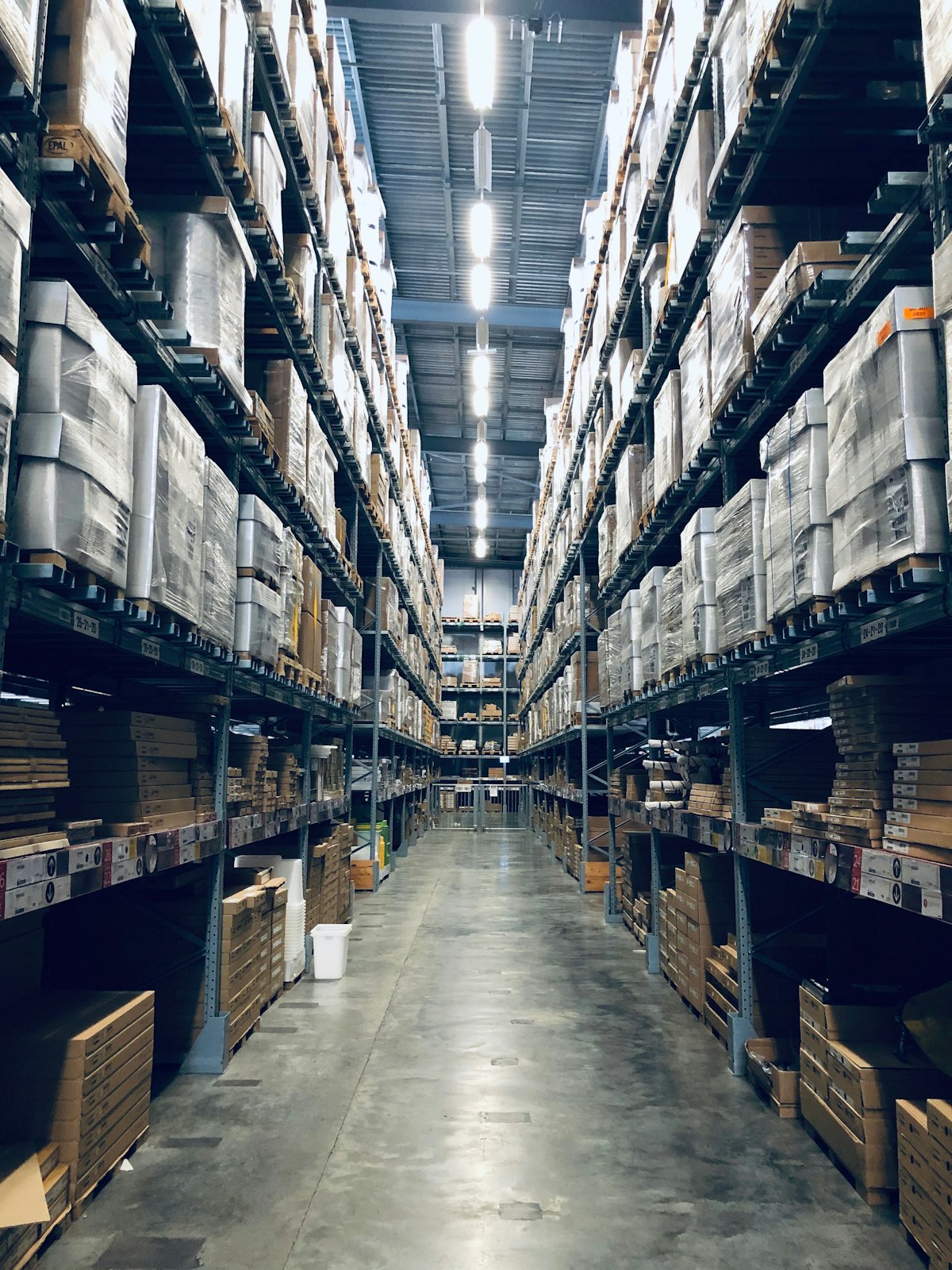
Warehouse and Supply Chain Jobs in Gulf 2026: UAE and Saudi Arabia Demand
UAE and Saudi Arabia are investing heavily in logistics infrastructure. Warehouse and supply chain roles are open for Indian workers in 2026 - where to look and how to qualify.
What Is Driving Warehouse Demand in 2026
Two intersecting trends are creating sustained demand for warehouse and supply chain workers across UAE and Saudi Arabia: the e-commerce explosion and large-scale infrastructure investment.
UAE's e-commerce market grew 27% year-on-year in 2025, reaching approximately USD 9.2 billion in GMV (Euromonitor International, 2025). Every order fulfilled through noon, Amazon.ae, or Carrefour UAE requires warehouse staff at fulfilment centres in Dubai, Jebel Ali, and Sharjah. The Dubai South free zone alone added 14 new logistics operators in 2025.
In Saudi Arabia, Vision 2030's logistics strategy targets making the Kingdom a regional hub between Asia, Europe, and Africa. The Saudi Logistics Hub programme is adding 59 logistics zones, and NEOM's internal supply chain network is projected to need 4,000 - 6,000 dedicated logistics workers through 2027 (Saudi Logistics Centre estimates, 2025 - 2026).
For Indian workers, this means warehouse and supply chain vacancies are now among the most consistently available roles in Gulf logistics - and they do not require the trade tests or licensing that trades like electrical or plumbing require.
Roles in Demand
UAE Logistics Hubs
Key zones: Jebel Ali Free Zone (JAFZA), Dubai South, Dubai CommerCity, Khalifa Industrial Zone Abu Dhabi (KIZAD), Sharjah Airport International Free Zone.
Roles consistently open:
- Warehouse operative / picker-packer
- Inventory controller
- Receiving and dispatch coordinator
- Warehouse supervisor (3+ years experience)
- Stock replenishment associate
- Cold chain / temperature-controlled warehouse operative
Most UAE warehouse operative roles require basic English (reading and writing job labels and picking lists) and physical fitness. No formal trade certificate is required at entry level.
Saudi Arabia Logistics Zones
Key zones: Riyadh Dry Port, Dammam logistics cluster, Jeddah Islamic Port area, NEOM Tabuk supply chain nodes.
Roles in demand:
- Material handler
- Warehouse operative
- Inventory officer
- Logistics coordinator
- Quality check associate (inbound/outbound)
Saudi Arabic reading ability is not required for most warehouse roles - workplaces in the logistics zones operate in English and Hindi with Arabic for signage only.
Salary Ranges (2026)
| Role | UAE (AED/month) | Saudi (SAR/month) |
|---|---|---|
| Warehouse operative / picker-packer | 1,600 - 2,200 | 1,400 - 1,900 |
| Inventory controller | 2,000 - 3,200 | 1,800 - 2,800 |
| Dispatch / receiving coordinator | 2,200 - 3,500 | 2,000 - 3,000 |
| Warehouse supervisor (3+ years) | 3,500 - 5,500 | 3,200 - 5,000 |
Source: Compiled from RLA-licensed agency placement data and MOHRE employer disclosures, Q1 2026. Competitive salary ranges - verify with employer contract. SAR figures are basic salary excluding allowances.
Most warehouse roles in UAE and Saudi include accommodation or accommodation allowance, transport to/from workplace, and health insurance. Overtime is common in e-commerce fulfilment - add 25 - 30% to base for total monthly income.
What Qualifications Help
No formal trade certificate is required for entry-level warehouse work. The following increase your employability and negotiating position:
- EWS/WMS system experience: Familiarity with warehouse management software (SAP WM, Manhattan Associates, or any WMS) moves you from operative to coordinator level
- ITI in Logistics Management or Supply Chain: NCVT-certified ITI courses in logistics are now offered by several institutions. Completing one before departure signals employer-readiness
- English reading and writing: At warehouse coordinator and above, employers expect you to read picking lists, complete inbound/outbound manifests, and communicate by email in English
- Forklift licence: Adds immediate employability and a salary premium - see the dedicated forklift guide for certification details
How to Apply
The three primary routes for Indian workers:
Via RLA-Registered Agency
Most warehouse roles reach Indian workers through RLA-registered recruitment agencies. The agency has a placement agreement with the Gulf employer, screens candidates, arranges eMigrate clearance, and books the GAMCA medical. This is the most reliable route - verify the agency's licence at eMigrate portal before engaging.
Via Direct Employer Application
Large logistics operators in JAFZA and Dubai South (DHL, Aramex, UPS, local 3PL companies) sometimes advertise directly on LinkedIn and Naukri Gulf. Direct application skips agent fees entirely.
Via Platform Like skilledupIndia
Platforms that list pre-verified employers with RLA-registered agency backing allow candidates to apply directly without hunting for legitimate agents manually.
eMigrate Clearance is Mandatory
Warehouse and logistics roles fall under the ECR (Emigration Check Required) category for most Indian workers. You must obtain eMigrate clearance before departure. This creates a government record of your employer, salary, and job title - the baseline for any dispute resolution if conditions change after arrival.
Apply at eMigrate portal after receiving your visa.
UAE logistics demand is at a sustained high point through 2027. Saudi Arabia's logistics infrastructure will be absorbing workers for the next decade. The supply of Indian candidates qualified for warehouse and supply chain roles is currently lower than demand - the market is tilted in your favour.
Find verified UAE and Saudi warehouse and supply chain employer listings on skilledupIndia.